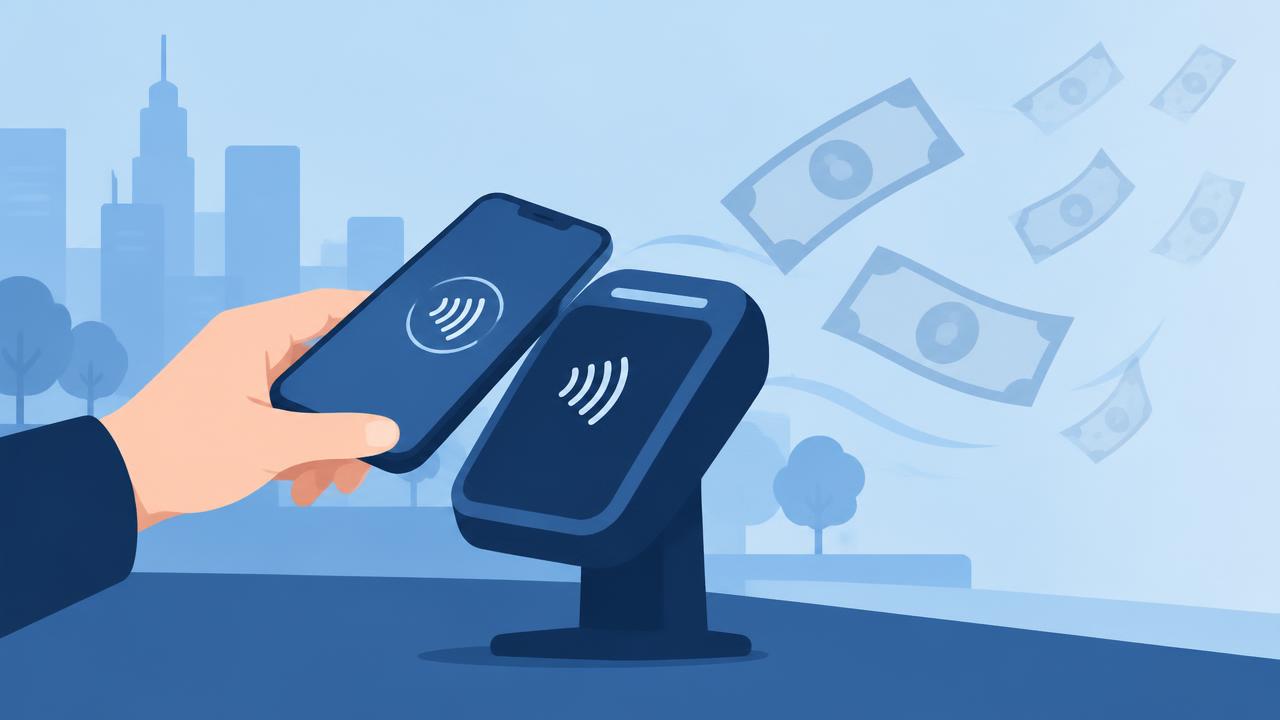
When was the last time you paid for something with cash? For many people, tapping a card or phone has become the normal way to buy lunch, pay for transport or shop for clothes. Digital payments make everyday life easier, but moving towards a completely cashless society raises bigger questions. Who benefits, who gets left behind, and what happens when the technology fails?
The most obvious benefit is convenience. Customers can pay in seconds without carrying notes or waiting for change. For businesses, digital payments reduce the time spent counting, storing and transporting cash. They also create a record of each transaction, making it easier to track sales and manage accounts. Small businesses can use these records to understand their income and plan ahead.
There are potential benefits for governments too. Digital transactions leave a trail, which can make it harder to hide income or avoid paying taxes. If more economic activity becomes visible, governments may collect more revenue to fund public services. However, removing cash would not remove financial crime. Fraud can simply move online.
For consumers, the financial effects are mixed. Banking apps make it easier to review spending and set budgets. Yet paying with a quick tap can also make purchases feel less noticeable than handing over cash. Someone might carefully consider spending their last banknote while barely thinking about several small card payments. Convenience can become expensive when it encourages spending without much thought.
The biggest concern is exclusion. Not everyone has a bank account, a reliable internet connection or the confidence to use digital payment systems. Some older people, people on low incomes and those without the necessary identification could struggle if cash disappeared. Buying essentials should not depend entirely on owning a smartphone or being comfortable with technology.
Privacy and reliability matter as well. Cash allows people to make ordinary purchases without creating a digital record. In a cashless society, payment providers would have access to more information about our daily habits. Meanwhile, a power cut, cyberattack or network failure could leave customers unable to pay. Businesses would also depend more heavily on payment companies, whose transaction fees can reduce already narrow profit margins.
So what might happen next? One possibility is a largely cashless economy where digital payments dominate but cash remains available as a backup. Another is a deeper divide between people who benefit from fast, connected services and those who struggle to access them.
The outcome will depend on how the transition is managed. Affordable banking, reliable systems, privacy protections and support for vulnerable users would all matter. A cashless society could make payments simpler and businesses more efficient. But its success should be judged by whether everyone can participate, not just by how quickly a payment goes through.